Eyewear material samples arranged on a dark workbench

MATERIALS & FINISHES

Material is where identity becomes tangible

Weight, edge profile, color depth, surface finish and construction all influence how a frame looks and feels. We review materials and finishes with your design, market and production process in mind.

Discuss your project

MATERIAL OPTIONS

Five material directions Many ways to make them your own

Material selection is considered together with frame geometry, finish, intended use and production requirements

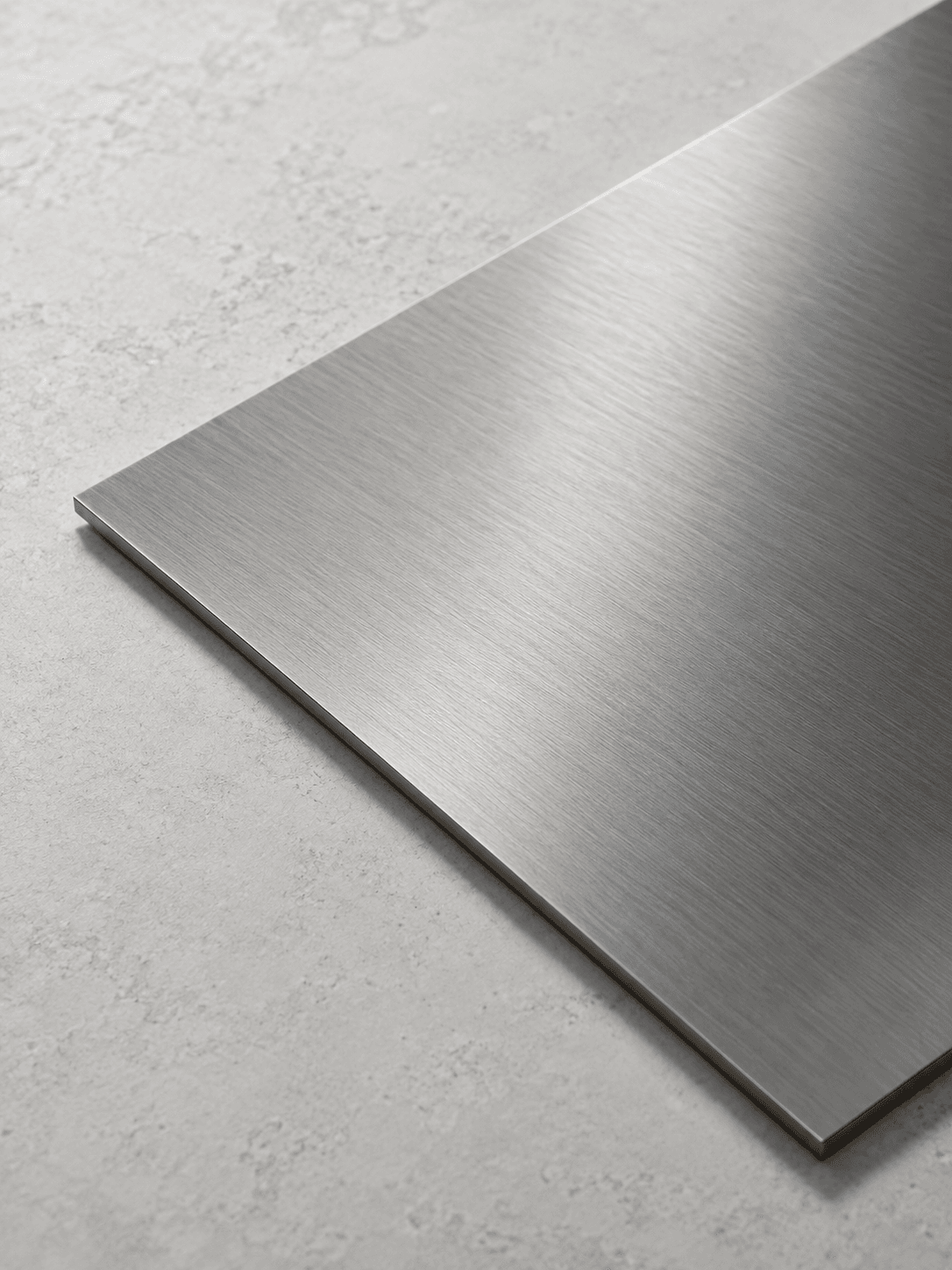
Brushed titanium sheet material sample

Titanium

Titanium combines low weight with corrosion resistance, making it a useful direction for refined frames where comfort and a fine profile matter. The material grade and construction are selected together; the finished weight still depends on the design and components.

Design direction
Slim optical frames, fine bridges and temples, or understated metal-led designs. Pure titanium and titanium alloys have different properties, so the exact specification is agreed for the project.
Color and finish
Polished, brushed, matte and colored finishes can be reviewed against your reference. The surface process is selected for the specified material and the intended appearance.
Development considerations
Joining methods, hinges and connection details need to suit the chosen material. Complex structures and special finishes can add development work and affect the production schedule.
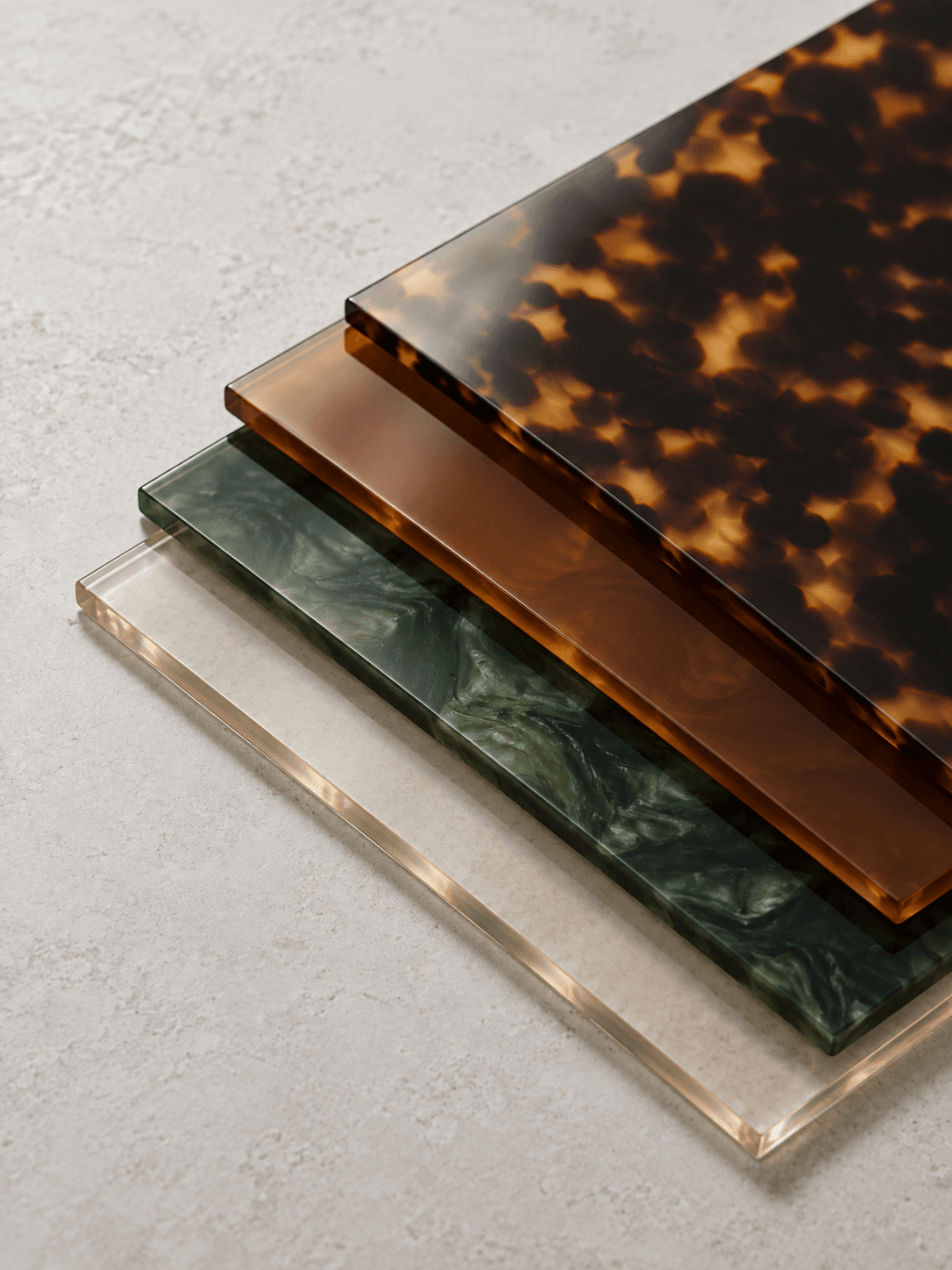
Stacked acetate sheets in tortoiseshell, green and translucent colors

Acetate

Cellulose acetate offers depth of color and a tactile, polished surface. Solid, translucent, patterned and layered sheets create different effects as the frame is cut and shaped, giving the material particular scope for expressive front profiles.

Design direction
Color-led optical and sun frames, from restrained everyday shapes to stronger silhouettes. Sheet thickness, edge profiles and temple proportions shape the final weight and feel.
Color and finish
Review solid colors, tortoiseshell effects, translucency or layered combinations using physical swatches. Polishing and matte surface treatments give the same shape a different character.
Development considerations
Pattern placement can vary between frames cut from the same sheet. Color availability, lamination, thickness and hinge construction should be confirmed before sampling and production.
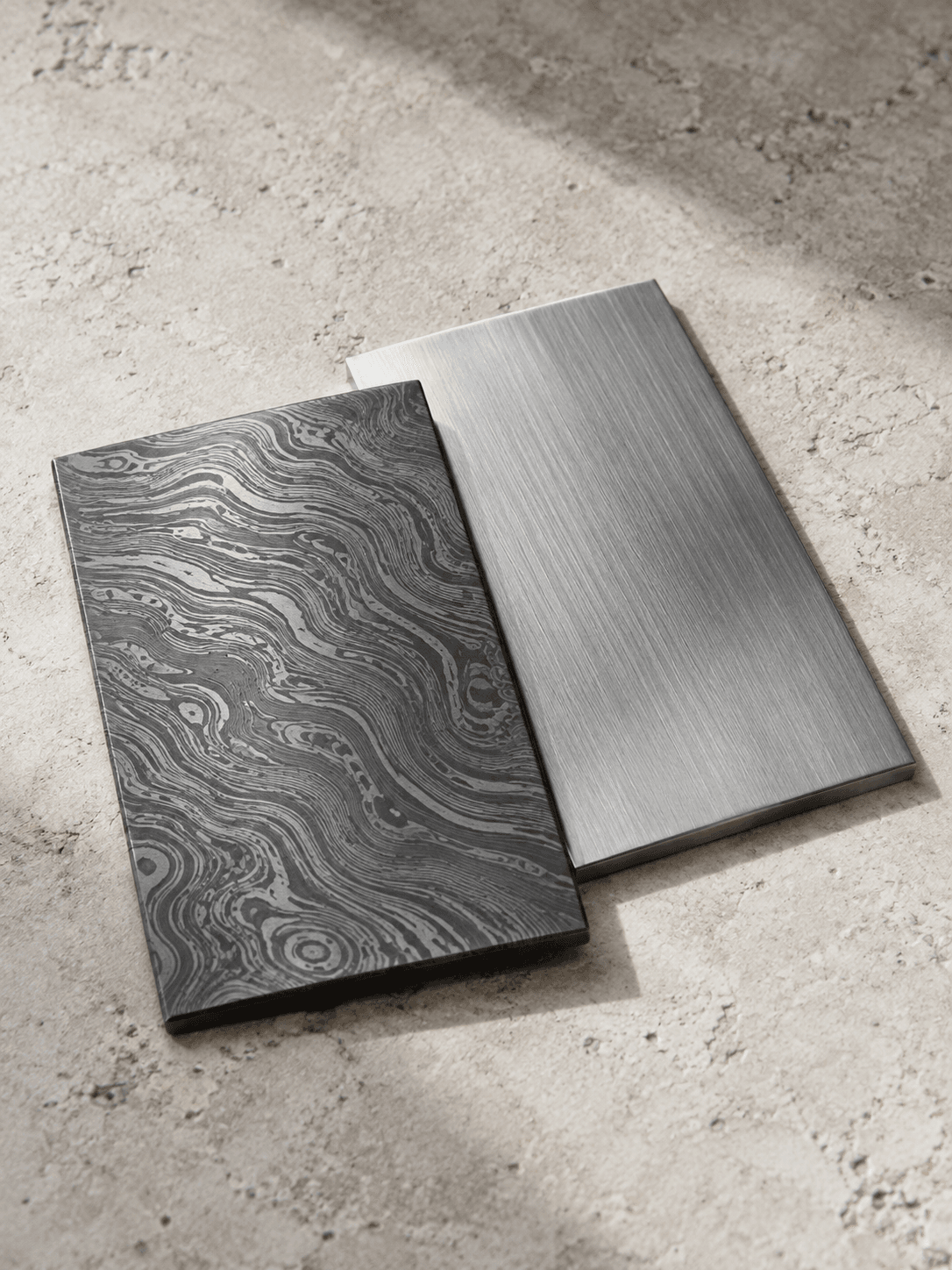
Metal samples with patterned and brushed surfaces

Metal

Metal frames offer fine rims, precise components and a broad range of surface effects. Frame alloys differ in stiffness, weight and processing behavior; the exact material specification is confirmed for the intended structure and finish.

Design direction
Fine-rim optical and sun frames, shaped bridges, detailed temples and metal elements in combination frames. The section size and connections are as important as the material itself.
Color and finish
Discuss polished, brushed or matte surfaces, plated colors and contrasting details. A physical color and surface reference helps define the target result.
Development considerations
The alloy, joining method and finish need to work together. Skin-contact or destination-market requirements should be specified early so materials, coatings and any required testing can be reviewed.
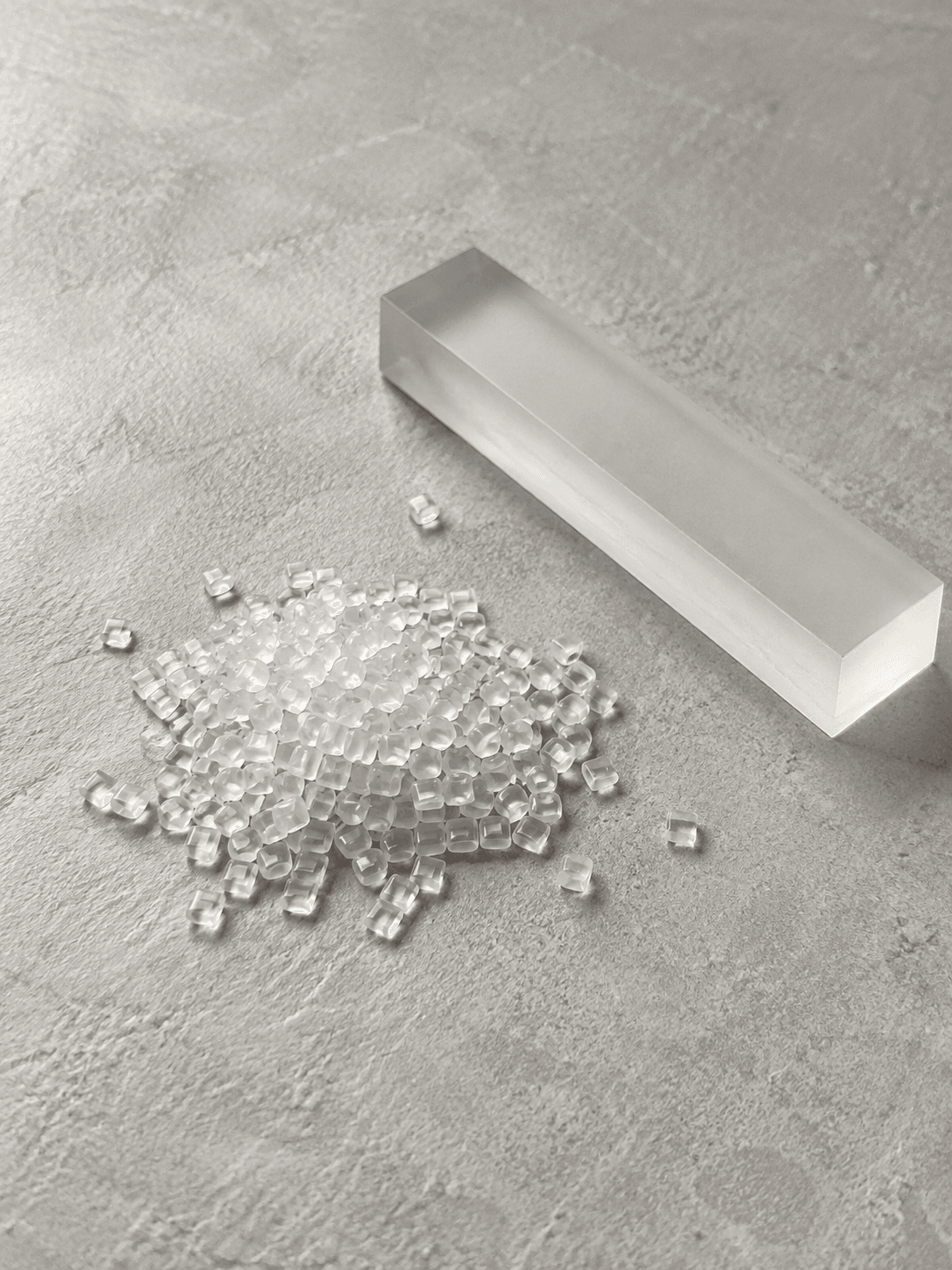
TR90 resin pellets beside a translucent material sample

TR90

TR90 is a polyamide material used for lightweight, flexible frame constructions. Its suitability depends on the material grade, wall thickness and frame geometry, making it a useful option when low weight and everyday comfort are priorities.

Design direction
Lightweight everyday frames and designs that benefit from flexibility. Fronts, temples and hinge connections are developed together to achieve the required fit and movement.
Color and finish
Color, transparency and surface texture are reviewed with the selected material and molding route. Logo application and coatings need to be compatible with the surface.
Development considerations
New shapes may require tooling. Mold design, wall thickness, hinges and surface treatments affect feasibility, cost and timing. Flexibility should not be treated as a guarantee against breakage.
Three-quarter view of the Contour optical frame

Mixed material

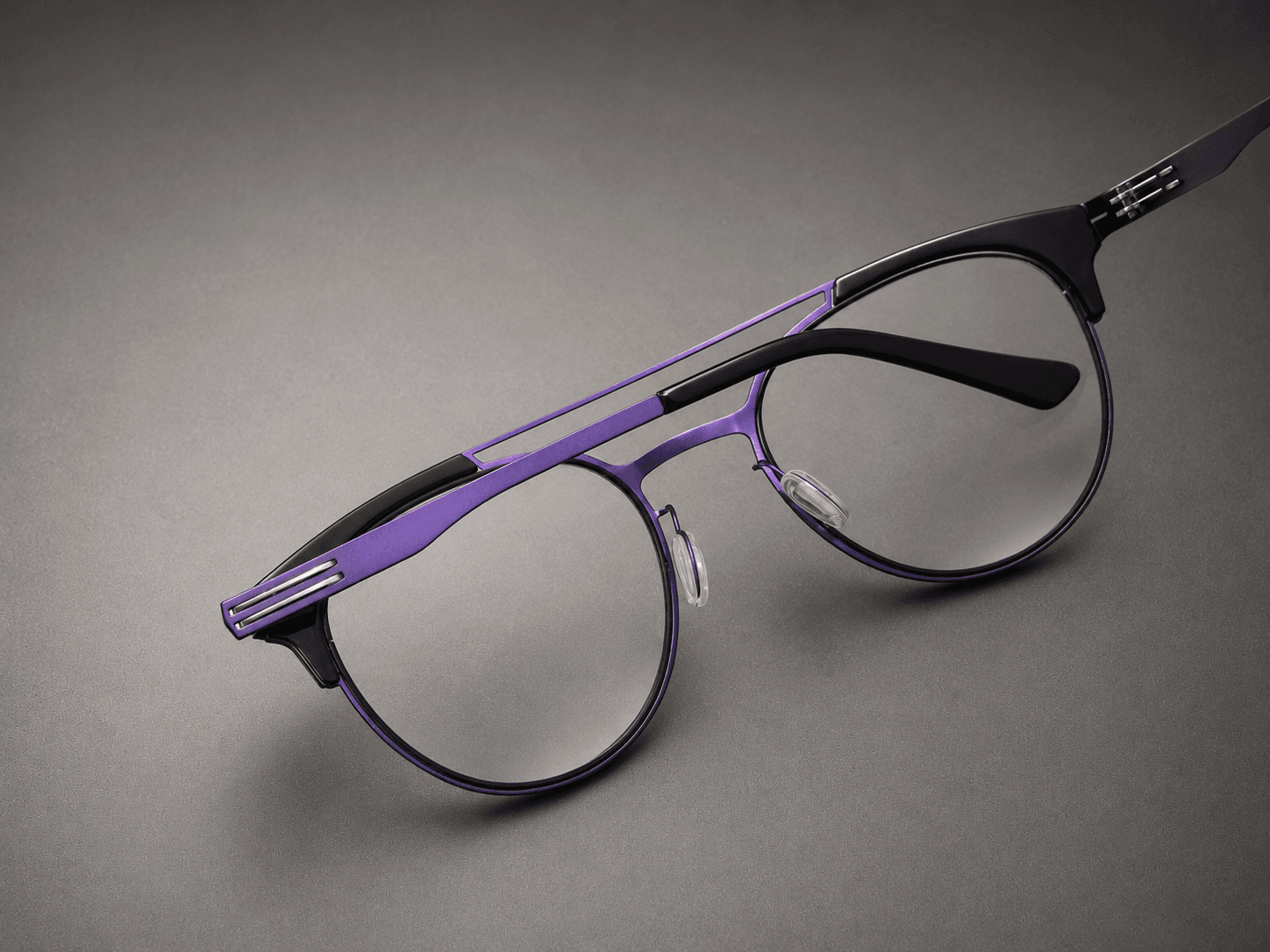
Mixed-material frames combine different visual and structural qualities, such as an acetate front with metal temples or metal details within an acetate construction. Each material has a defined role in the frame rather than serving only as decoration.

Design direction
Combination frames that balance color depth, fine metal detailing and a distinctive profile. Material distribution also affects weight balance and the feel of the finished frame.
Color and finish
Coordinate the acetate color, metal finish, visible fasteners and branding as one set. Physical samples help confirm that the separate materials work together visually.
Development considerations
Connections, tolerances and assembly order need particular attention. Components may follow different production and finishing routes, so the combined schedule is reviewed before the order is confirmed.

Choosing the Right Material

Material selection depends on the frame construction, visual direction, weight, finish and intended use. The comparison below provides a practical starting point for discussing the right material for your project. Acetate, titanium and metal are our main production focus; other directions are reviewed individually.

Acetate
CharacterRich color and pattern possibilities
Typical DirectionOptical and sunglasses
Development NoteSuitable for machining, shaping and polishing
Titanium
CharacterLightweight and refined
Typical DirectionSlim metal constructions
Development NoteGrade, joining and frame structure are reviewed together
Stainless Steel
CharacterClean and structured
Typical DirectionMetal optical and sunglasses
Development NoteForming, joining and finishing depend on the approved construction
TR90
CharacterLightweight and flexible
Typical DirectionCasual or active directions
Development NoteConstruction and tooling are reviewed for each molded design
Buffalo Horn
CharacterNatural grain and individual variation
Typical DirectionPremium natural-material details and frames
Development NoteGrain, tone and construction are reviewed for the specific project

Finishes & Surface Treatments

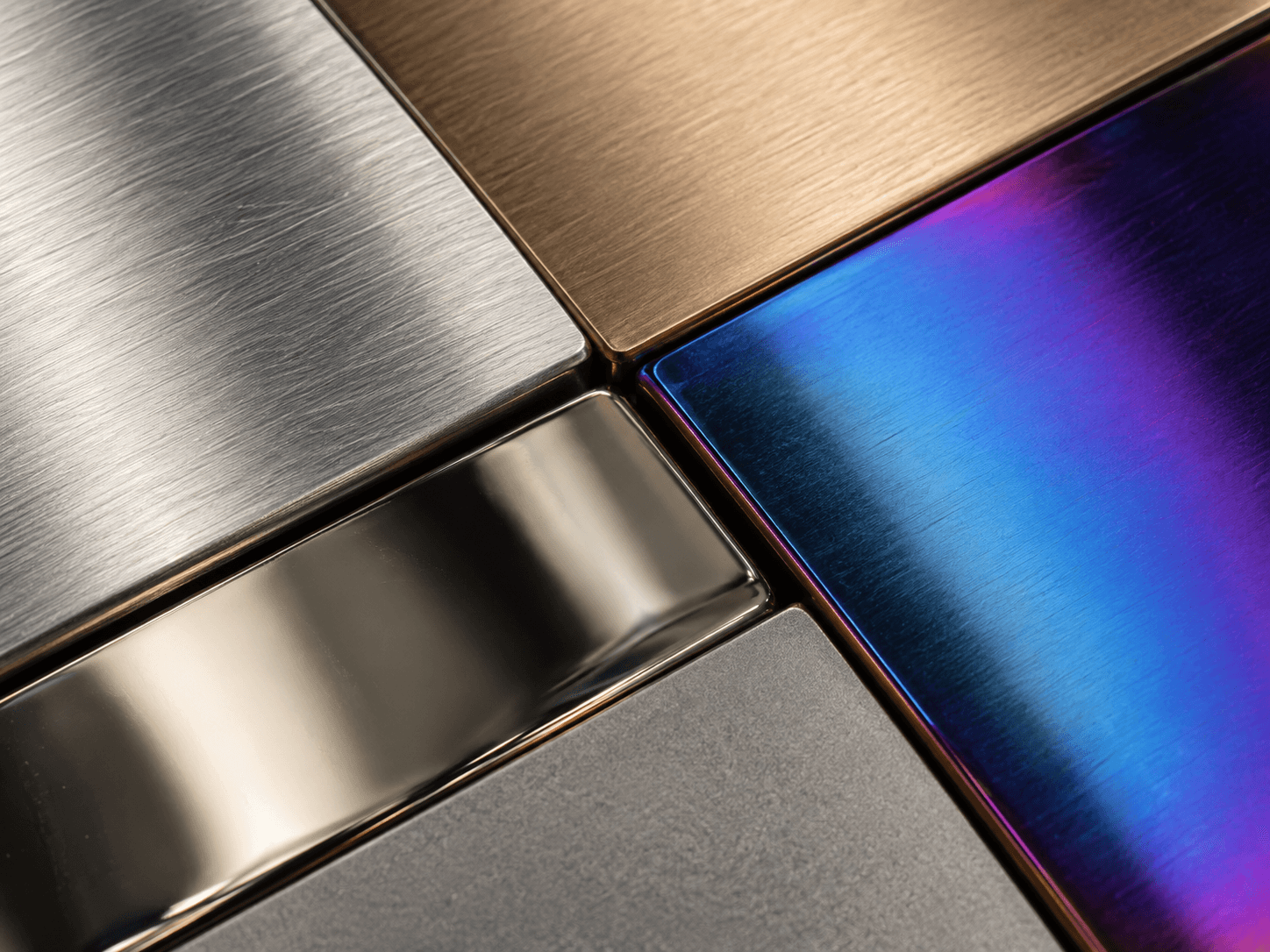
Surface finishing is selected around the material, construction and approved visual direction of each project. Finish options are reviewed together with the frame material to achieve the required appearance and surface character.

  • Polished
  • Brushed
  • Matte
  • Colored / Plated Finishes
Eyewear material samples with brushed metal and colored surface finishes

Mixed Material Constructions

Some frame designs combine different materials to balance structure, appearance and detail. Material transitions, component fit, joining methods and finishing are coordinated around the approved construction. Our product examples include horn with metal and horn with beta titanium.

Natural Material Variation

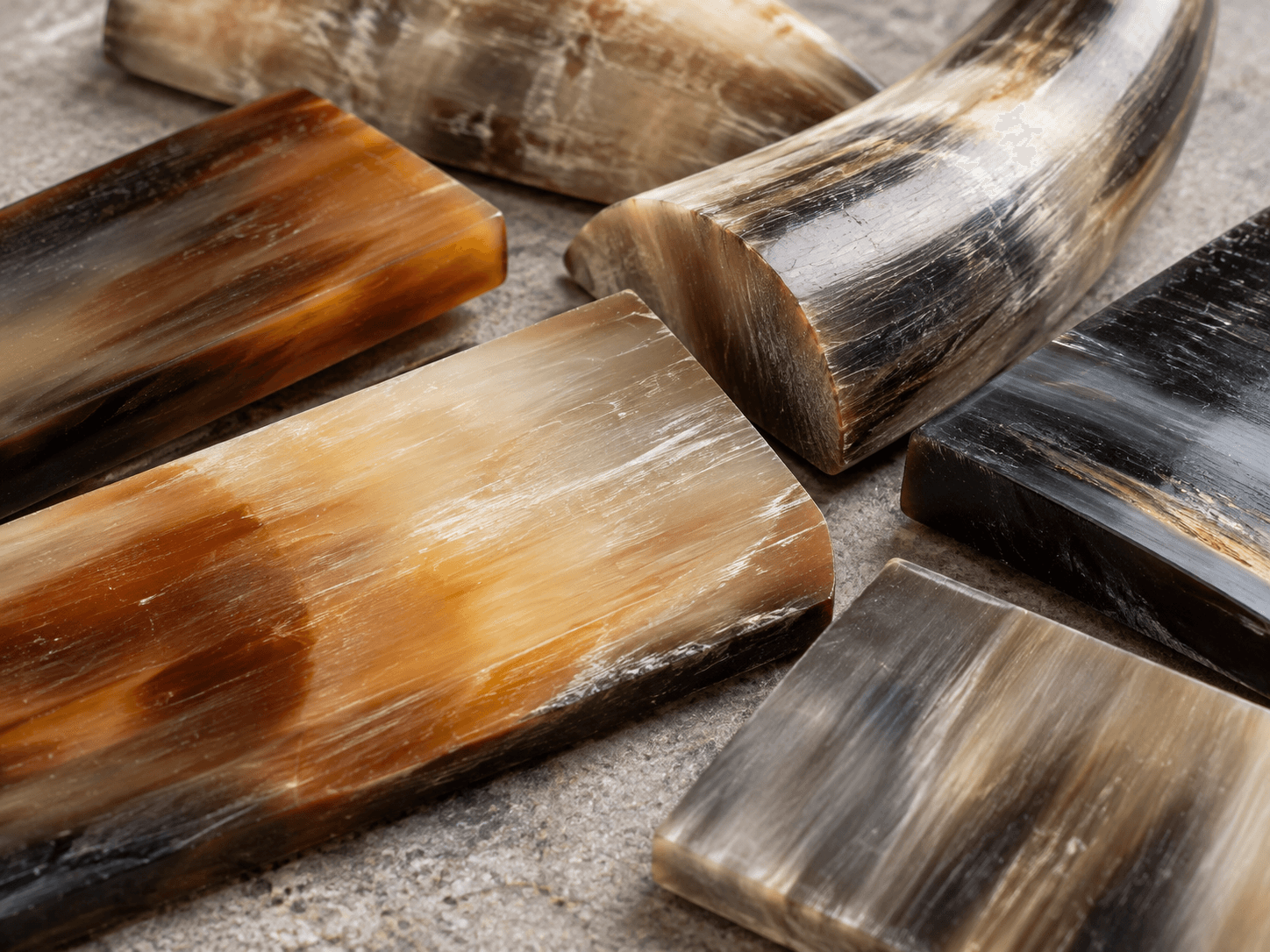
Natural and patterned materials may show variation in color, grain and surface character from piece to piece. Physical references help align expectations before production.

Buffalo horn material blanks with varied natural textures

START A PROJECT

Not sure which material fits your frame

Share your design direction, reference sample or construction requirements, and we can review suitable material and finish options with you.

Send a short inquiry